

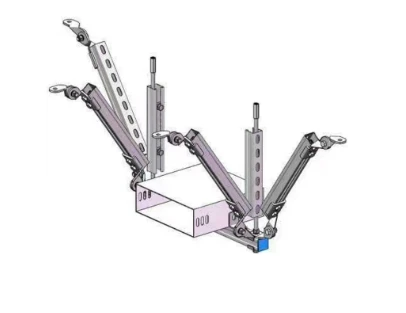

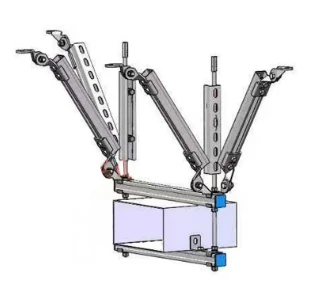

Seismic Supporting Systems
Material: Medium Carbon Steel Type:Seismic Supporting System/Sesmic Bracing System Application:Underground Garage/Bridge/Ventilation/Water Pipe Main Seismic Bracing: Lateral/Longitudinal, for Single/Multi-Pipe Technique:Stamping, Cold Forming Standard:DIN, ANSI, GB
Seismic supporting systems are an essential part of earthquake-resistant design in various types of structures. These systems are engineered to enhance the safety and durability of buildings and other constructions in seismically active regions. Here's a breakdown of how these systems work and their importance:
Purpose: The primary goal of seismic supporting systems is to protect structures from the damaging effects of earthquakes. They are designed to minimize the impact of seismic forces on the building, ensuring that the structure remains stable and safe during and after an earthquake.
Components: These systems typically include:
Isolators: Devices placed at the base of the structure that allow the building to move independently from the ground during an earthquake. This helps to prevent the seismic energy from reaching the upper levels of the building.
Dampers: Devices that absorb and dissipate the energy of seismic vibrations. They work by controlling the motion of the structure and reducing the amplitude of oscillations.
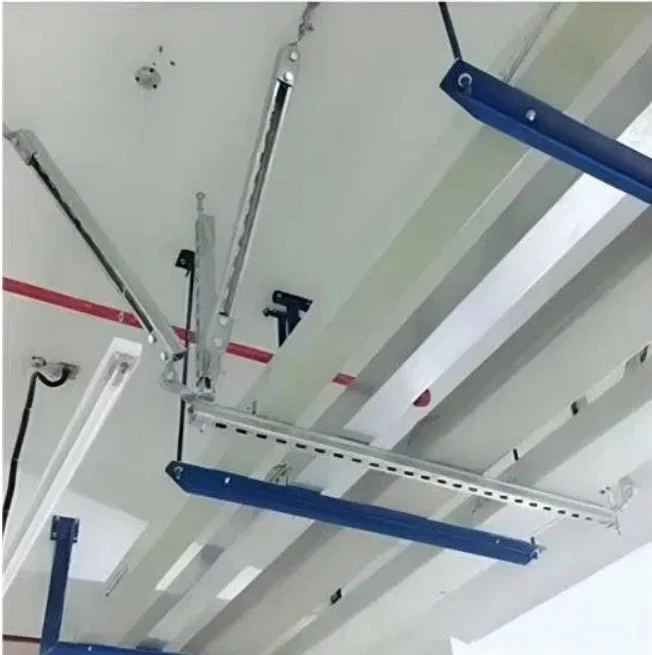
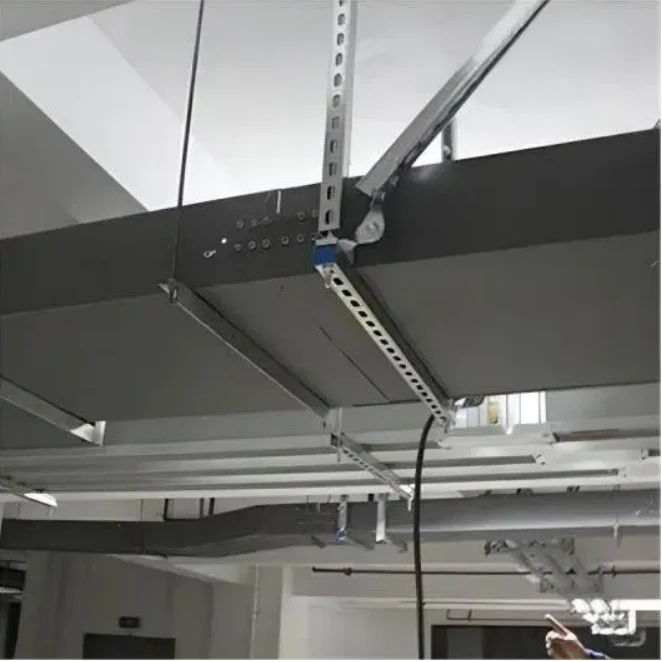
|
Application |
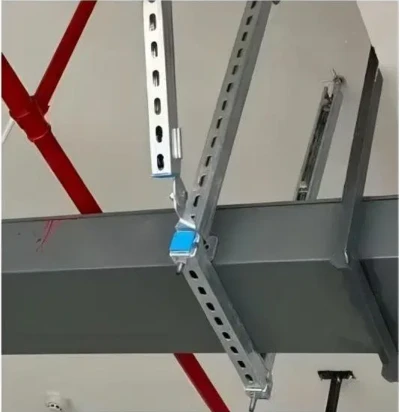
Q235B Steel Building Construction Seismic Supporting System |
|
Place of Origin |
China |
|
Color |
Natural, Hot Dip Galvanized |
|
Keyword(Main Products) |
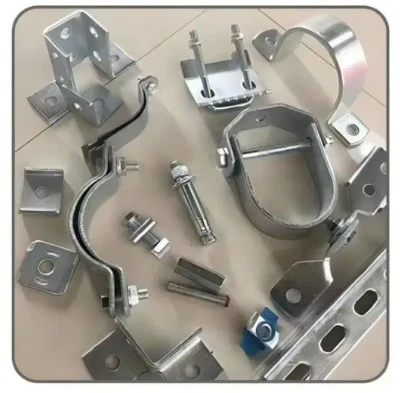
Seismic Support, Seismic Bracing, Vibration Support, Stabilizer Bracket, Cantilever Bracket, Pipe Clamps, |
|
Function |
Anti-seismic, Anti-vibration, Anti-earthquake, |
|
Customized |
Customized packaging Customized logo Graphic customization |
Transport Package:Standard Export Packaging
Specification:Q235B Carbon Steel or SUS304
Trademark:OEM
Origin:China
HS Code:7610900000
Production Capacity:1000000 PCS / Year
Tall Buildings: High-rise structures are particularly vulnerable to seismic activity due to their height and the potential for greater damage. Seismic systems help to ensure that these buildings can withstand earthquakes.
Bridges: Bridges are critical infrastructure that must remain functional after an earthquake. Seismic systems help to protect these structures from collapse.
Industrial Structures: Factories and other industrial buildings often house heavy machinery and equipment. Seismic systems protect these structures and their contents from damage.
Hospitals and Schools: These are critical facilities that need to remain operational after an earthquake to provide services to the community. Seismic systems ensure their structural integrity.
Historical Buildings: Preserving the cultural heritage is important, and seismic systems can help protect these irreplaceable structures from earthquake damage.
Benefits: The use of seismic supporting systems offers several benefits:
Safety: They protect the lives of occupants by reducing the risk of structural failure.
Resilience: Structures equipped with these systems are more likely to remain operational after an earthquake, which is crucial for recovery efforts.
Economic: While there is an initial cost to install seismic systems, the long-term economic benefits include reduced damage and repair costs, as well as maintaining the value of the property.
Regulations and Standards: Many regions with high seismic activity have building codes that require the use of seismic supporting systems in new constructions and retrofitting of existing structures.
Hot Tags: seismic supporting systems, China seismic supporting systems manufacturers, suppliers, factory, Wire Cable Tray, Metal Brackets, Fireproof Cable Tray, Waterproof Solar Carport, C Shaped Purlin Channel Steel, Steel Screw Piles Price


Send Inquiry
