



Sheet Metal Parts Stamping
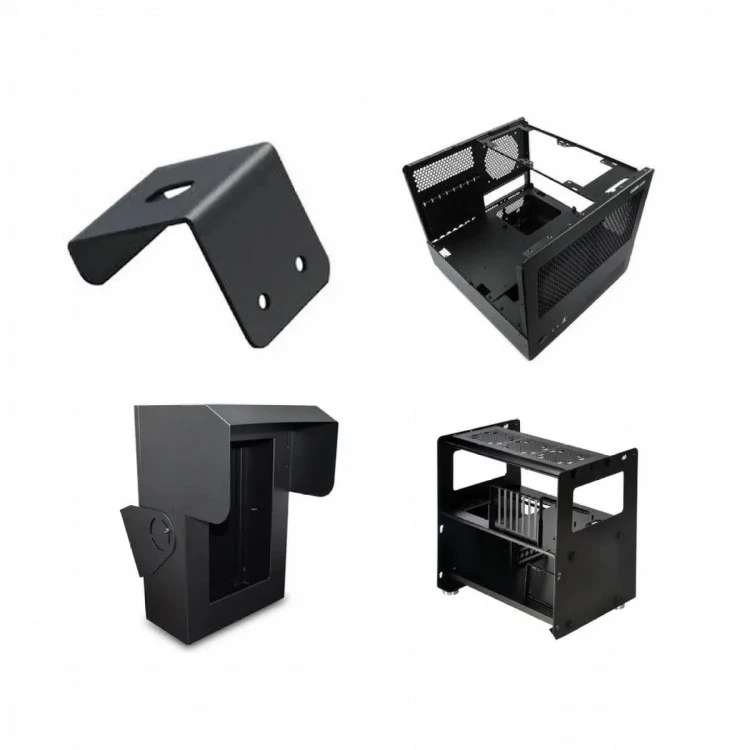
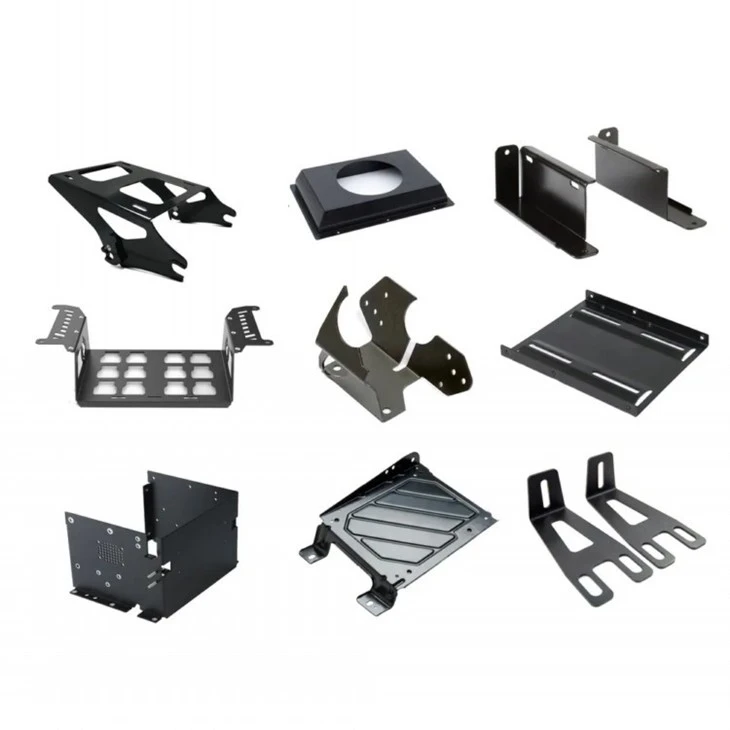
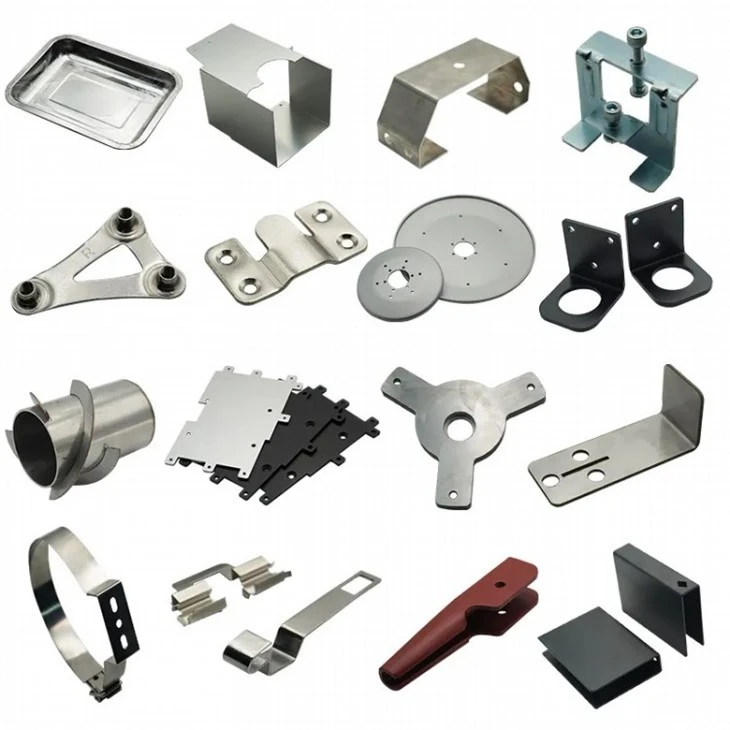
Products Name: Sheet Metal Parts Stamping
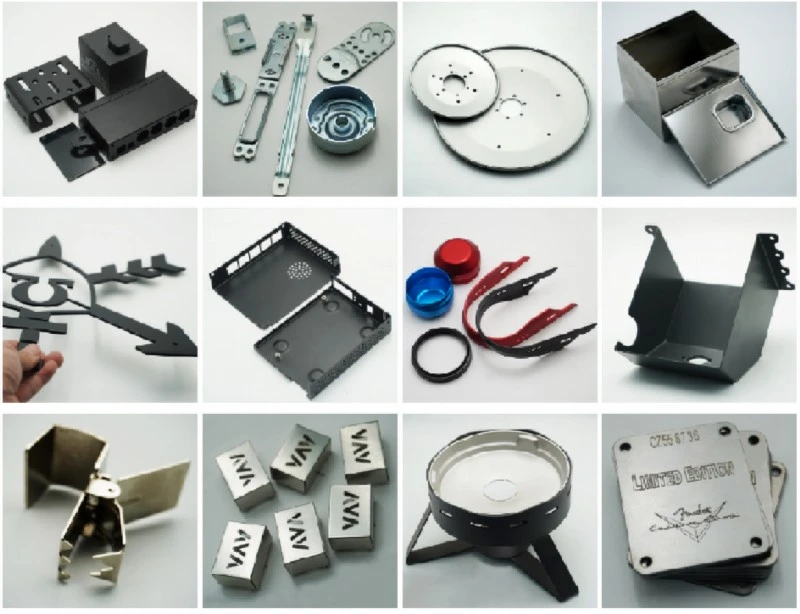
Material: Stainless Steel/Carbon Steel/Aluminum/Copper/Alloy steel
Thickness: 0.1mm-12mm/customized
Surface treatment: Powder coating, Oxidization, Electrophoresis, Galvanization, etc
Process: Laser cutting, CNC punching & bending, Stamping, Welding,etc
Size: Customized
Service: Sheet metal fabrication with integration service
Usage: ATM machine, Mail box, metal accessories, etc
Package: Standard Normal Package
Lead Time: 10-20 working days
Payment:TT 100% or 30% deposit, the balance before shipment
What is a Sheet Metal Parts Stamping
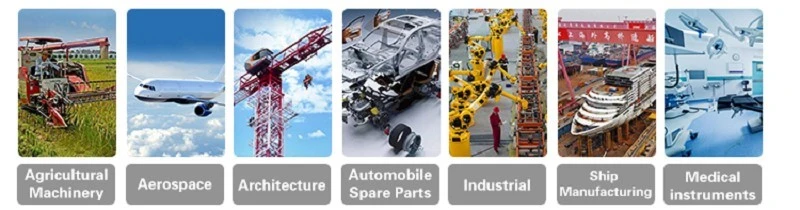
Sheet Metal Parts Stamping is a high-efficiency, precise metalworking technique that uses dies and stamping equipment to shape metal sheets into parts with specific forms and dimensions. It achieves the desired geometry by applying high pressure, causing plastic deformation of the sheet in accordance with the die's design. This method's efficiency, precision, and material utilization make it widely adopted in modern manufacturing, meeting stringent quality and cost requirements in industries like automotive and aerospace.
Benefits of Sheet Metal Parts Stamping
High Efficiency Production
Sheet Metal Parts Stamping employs dies and stamping machinery to rapidly shape metal sheets, outpacing traditional machining in speed. A single die can produce hundreds or thousands of parts swiftly, significantly boosting productivity.
Precision Forming
With precisely engineered dies and advanced stamping equipment, Sheet Metal Parts Stamping achieves exceptional forming accuracy. Dimensional tolerances are maintained within micron levels, meeting the stringent precision demands of aerospace and automotive industries.
High Material Utilization
Compared to conventional machining, Sheet Metal Parts Stamping boasts superior material efficiency. The stamping process minimizes waste, nearing zero scrap, crucial for reducing production costs and enhancing resource utilization.
Superior Surface Finish
The stamped parts feature smooth surfaces with no burrs, eliminating the need for extensive post-machining polishing. This not only elevates product aesthetics but also cuts down on additional processing time and expenses.
Customizability
Sheet Metal Parts Stamping accommodates diverse design specifications by swiftly altering or adjusting dies, enabling the manufacture of parts in various shapes and sizes. Its adaptability ensures responsiveness to market fluctuations and fulfillment of bespoke customer requirements.
Environmental Sustainability
Owing to minimal scrap generation during stamping and its recyclability, this process exerts a relatively minor environmental impact. Furthermore, it typically obviates the need for copious amounts of coolants or lubricants, further mitigating ecological footprint.
Production Process Flow
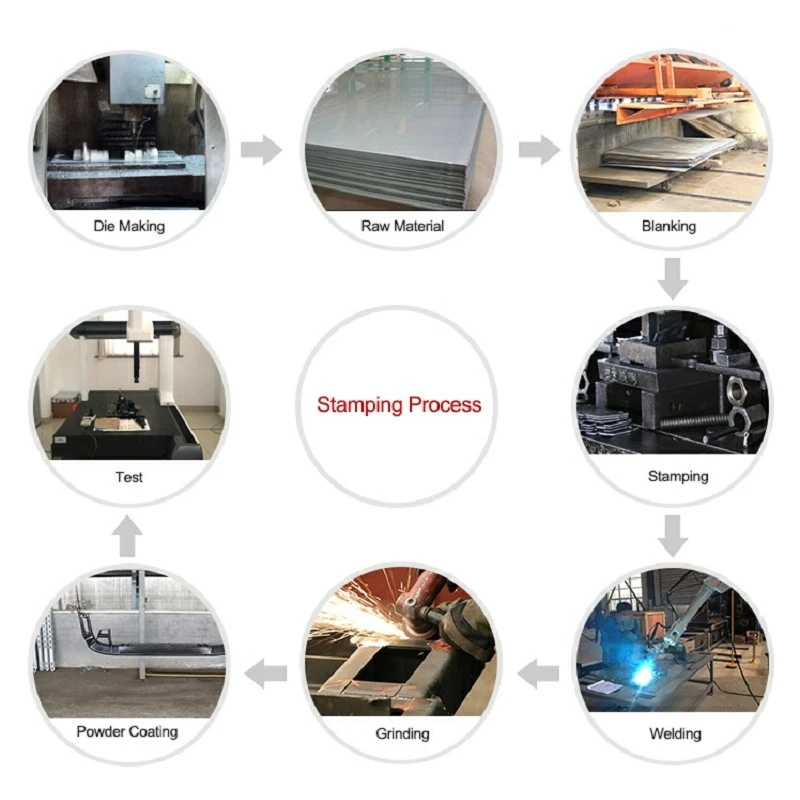
Sheet metal parts stamping is a manufacturing process that involves preparing and forming sheet metal into specific shapes and designs.
Step 1: Design and Planning
The first step in sheet metal parts stamping is designing the product. Once the design is complete, the production team can create a plan that outlines the required materials, tools, and equipment needed to manufacture the part.
Step 2: Material Preparation
The next step is to prepare the material. This can involve cutting the metal sheet to the required size and shape, along with any necessary hole or perforation patterns.
Step 3: Forming
Once the material is prepared, the stamping process begins. This process entails pressing the material onto a die. The process can be divided into several sub-steps, including blanking, punching, and piercing.
Step 4: Finishing
After the stamping process is complete, the product is inspected for accuracy and quality. Any necessary finishing touches, such as surface treatments or coatings, are applied.
Step 5: Assembly and Quality Control
The final step is assembly. All the elements of the design come together and are fastened using screws, rivets, or other fasteners. A final inspection is then conducted to ensure that everything is put together correctly, and the product meets or exceeds all necessary standards.
Applications of Sheet Metal Parts Stamping
Metal Stamping in the Automotive Industry
In the automotive sector, metal stamping is fundamental to the construction of car bodies and internal structures. Components such as doors, roofs, and hoods are crafted through precise stamping processes. It's estimated that over 60% of parts in a standard sedan are produced via stamping technology. These stamped parts not only ensure structural integrity but also contribute to weight reduction and enhanced fuel efficiency.
Applications in Household Appliances
Metal stamping is extensively used for the casings and internal supports of household appliances like refrigerators, washing machines, and air conditioners. These components require high corrosion resistance and sufficient strength to support the equipment. Metal stamping techniques enable the production of both aesthetically pleasing and functional parts, meeting modern demands for appearance and performance in home appliances.
Metal Components in the Construction Industry
In construction, metal stamping produces window frames, curtain wall systems, and other architectural elements. These components must possess excellent load-bearing capacity and weather resistance. Metal stamping allows for precise control over material thickness and strength, ensuring final products meet stringent construction standards.
Precision Parts in Aerospace
The aerospace industry prioritizes lightweight and high-strength materials. Metal stamping is employed to manufacture critical aircraft components such as wings and fuselage. These parts must maintain performance under extreme conditions, necessitating rigorous material selection and processing standards.
Frequently Asked Questions
1. How does the stamping process work?
Stamping - also called pressing - involves placing flat sheet metal, in either coil or blank form, into a stamping press. In the press, a tool and die surface form the metal into the desired shape. Punching, blanking, bending, coining, embossing, and flanging are all stamping techniques used to shape the metal.
2. What are the advantages of using sheet metal stamping over other metal forming processes?
Its ability to produce high volumes of uniform parts quickly and efficiently sets metal stamping apart from other metal shaping processes. This makes it an indispensable technique in sectors where precision and volume are critical, such as the automotive, aerospace, and electronics industries.
3. How precise can sheet metal stamping be?
Its immense level of precision, even for complex parts, is what sets this process apart from similar machining options. Precision metal stamping machinery enables manufacturers to perform microstamping, crafting complex minuscule parts where even the smallest error could render the final product ineffective.
4. What factors affect the cost of sheet metal stamping?
Metal Stamping pricing consists of the investment in the tooling die, the material required for the part, the overall complexity of the part design, QC and documentation requirements, estimated annual usage (EAU) or part volume, and shipping costs.
5. What are the limitations of sheet metal stamping?
Although progressive die stamping can yield accurate parts with complex shapes, material thinning is highly likely and part repeatability is poor. It also requires incredibly expensive permanent, progressive steel tooling.
6. What kind of equipment is used in sheet metal stamping?
Progressive die stamping uses a type of tooling called a progressive die, which contains multiple stamping stations to carry out simultaneous operations on a sheet metal strip. By combining all the necessary tools into one die set, progressive die stamping is a great solution for high-volume production runs.
7. Can sheet metal stamping produce complex shapes and designs?
It is accomplished in one of several ways, depending on the design specifications for the part. With a series of operations, the metal can be altered from a relatively simple shape into a complex one.
8. How does sheet thickness impact the stamping process?
Impact on Efficiency and Production: Tailored thicknesses can significantly impact efficiency. Thinner sheets enhance material usage and reduce weight, while thicker ones offer added strength and durability. Neway optimizes these factors to enhance productivity and efficiency in production processes.
9. How do advancements in technology improve sheet metal stamping?
Servo-driven presses, progressive die systems, and high-speed stamping presses are some innovations that increase accuracy and productivity. These technologies allow quicker manufacturing cycles, less wasteful use of materials, and more product uniformity.
10. Is sheet metal stamping environmentally friendly?
The metal stamping process is energy-intensive. From the extraction of raw materials to the actual stamping process, significant amounts of energy are consumed. This energy predominantly comes from non-renewable sources like coal and natural gas, contributing to their depletion.
Hot Tags: sheet metal parts stamping, China sheet metal parts stamping manufacturers, suppliers, factory, Stainless Mounting Brackets, Solar Panel Mounting Stand, Galvanized Carport Brackets, Seismic Cable Bracing, Galvanized Steel Angle Brackets, Metal Brackets


Send Inquiry
