

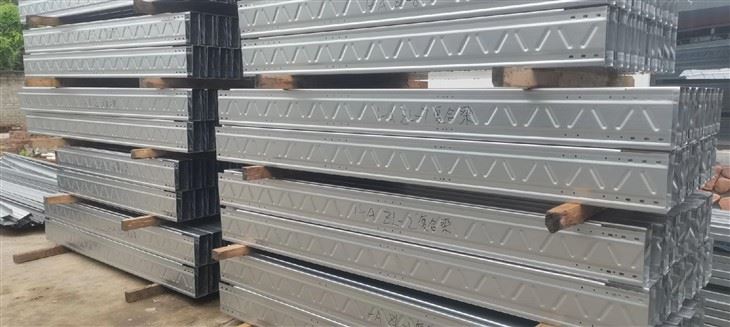
Steel Beams Fabricated
Items: OEM Metal stamping
Material: Q235 steel and Aluminum
Sizes: Production according to customer drawings, OEM/ODM is accepted
Surface: Hot dip galvanized
Temperature Range: -50℃to 60℃
Warranty: 20 years
Service life: 20 years
Lead Time: 10-20 working days
Payment: TT 100% or 30% deposit, the balance before shipment
Product Details
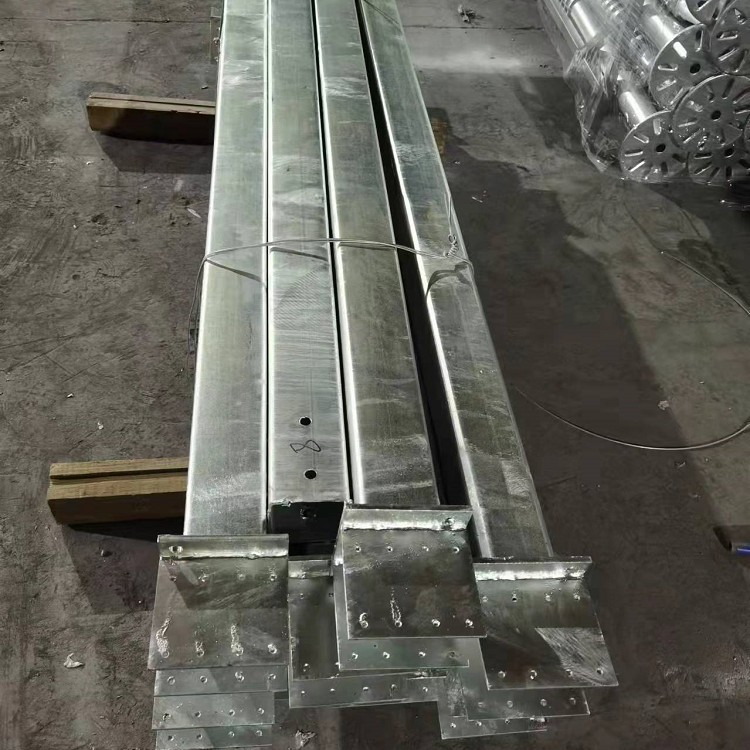
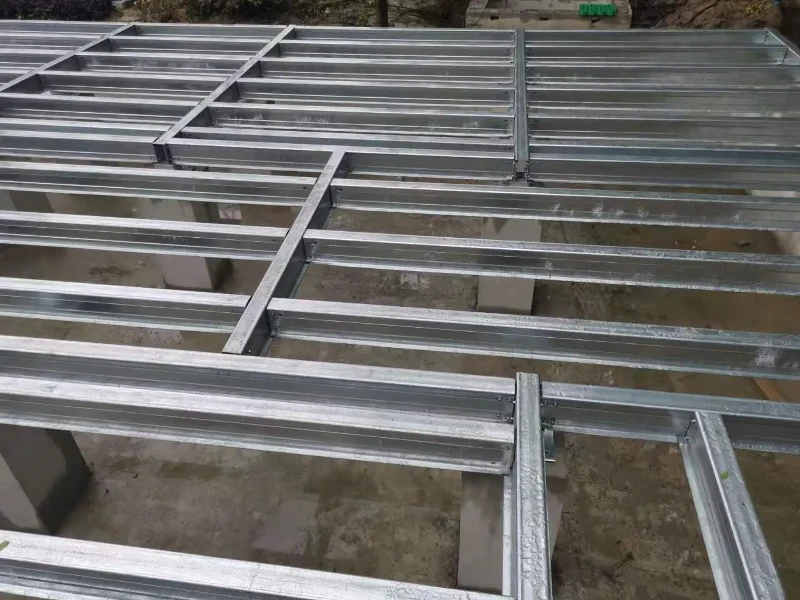
Product Description
Steel beams fabricated are prefabricated structural elements made from high-strength steel and designed for use in various construction applications. The fabrication process involves cutting, drilling, and welding steel plates to form beams of specific shapes and sizes, such as I-beams, H-beams, and channel beams.
Product Advantages
- Strength: Steel beams fabricated from high-strength materials, such as Q235 steel, offer an extraordinary strength-to-weight ratio, providing robust structural support. With a tensile strength of up to 65,000 psi and a yield point between 50,000 to 65,000 psi, these beams can efficiently support heavy loads in various construction applications. For example, W-beams can bear loads up to 300 kN/m, making them ideal for high-rise buildings where structural integrity is crucial.
- Easy Installation: The fabrication process ensures that steel beams are made to exact specifications, ready for quick and efficient installation on-site. Standardized W-beams with pre-fabricated connections can be installed at a rate of up to 20 tons daily, significantly reducing labor costs and minimizing site disruptions.
- Resistance to Combustion: Steel beams offer significant fire resistance, maintaining their structural integrity even in high-temperature situations. With a melting point around 1370°C, these beams can support loads for up to 60 minutes during a fire without additional protective measures. Intumescent coatings can enhance this duration to over 120 minutes, making steel beams a vital component in fire-safe construction, especially in industrial and commercial buildings.
- Versatility in Design: Fabricated steel beams can be customized to meet specific project requirements, with standard configurations including wide flange beams (H-beams) and I-beams. Additionally, custom plate girders can be designed for complex shapes and load conditions.
Product Maintenance
- Periodic Inspections: Periodic inspections typically include checking for signs of corrosion, deformation, and weld integrity. Tools such as ultrasonic and magnetic particle testing can help you quickly identify potential problems and make necessary repairs or reinforcements.
- Structural Reinforcement: Structural reinforcement may include adding additional steel plates or supports to increase load-bearing capacity. Strengthening strategies should be designed based on detailed assessment and calculations so that structural deficiencies can be effectively corrected.
- Address Physical Damage: If there is visible damage, it should be assessed by a structural engineer to determine the appropriate repair method. Repair methods might include welding or patching the affected areas, followed by an inspection to confirm that the repairs meet building codes.
FAQs
1. What are the main uses of Steel Beams Fabricated used in commercial buildings?
Steel Beams Fabricated are often used in the construction of office buildings, shopping malls, and high-rise buildings due to their high strength-to-weight ratio and versatility.
2. How do Steel Beams Fabricated compare to those made using other methods in terms of load-bearing capacity?
Steel Beams Fabricated, such as I-beams and H-beams, are strong and can support large loads while being relatively lightweight.
3. What materials are commonly used to make Steel Beams Fabricated?
The main materials used to make Steel Beams Fabricated include different grades of steel such as ASTM A36, ASTM A992, and ASTM A572. These materials are selected based on their strength, weldability, and durability.
4. How does the manufacturing process of Steel Beams Fabricated affect the overall strength and durability?
The Steel Beams Fabricated manufacturing process typically involves cutting, drilling, and welding steel plates to create the desired beam shape. The precision of these processes ensures that the beams meet precise design specifications and construction requirements.
5. What are the common dimensions and sizes of Steel Beams Fabricated in residential construction?
For residential construction, Steel Beams Fabricated are typically available in sizes such as I-beams ranging from 4 inches to 12 inches deep and 2 inches to 6 inches wide.
6. What types of surface treatments are applied to steel beams fabricated to prevent corrosion?
Common treatments include hot-dip galvanizing, where a layer of zinc is applied to the steel surface; epoxy coatings, which provide a protective barrier against moisture and chemicals; and powder coating, which offers a durable finish that resists corrosion and wear.
7. Can steel beams fabricated be customized for specific architectural designs?
Yes. The fabrication process allows for precise cutting, welding, and shaping of steel beams to fit unique architectural requirements. Customization can include varying beam dimensions, shapes (such as I-beams, H-beams, or custom profiles), and special features like integrated supports or connections.
8. What are the benefits of using steel beams fabricated in earthquake-resistant construction?
Steel beams fabricated offer several benefits in earthquake-resistant construction, including high strength, flexibility, and ductility. These properties allow steel beams to absorb and dissipate seismic energy effectively, reducing the risk of structural failure during an earthquake.
Hot Tags: steel beams fabricated, China steel beams fabricated manufacturers, suppliers, factory, Sheet Metal Parts Laser Cutting Welding Parts, OEM Metal Products, OEM Metal Stamping, Manufacturing Metal Products, Stamping Sheet Metal Parts



Send Inquiry
