


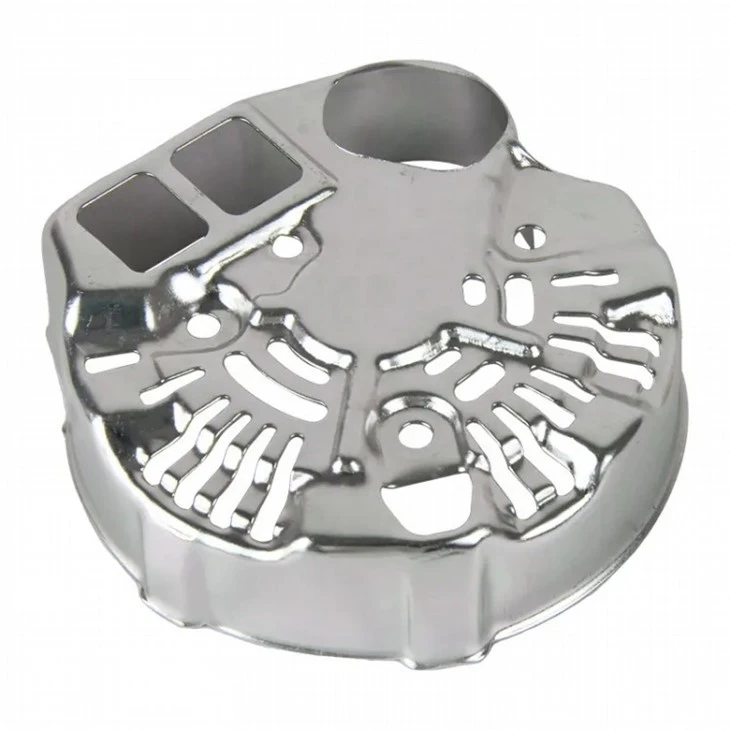
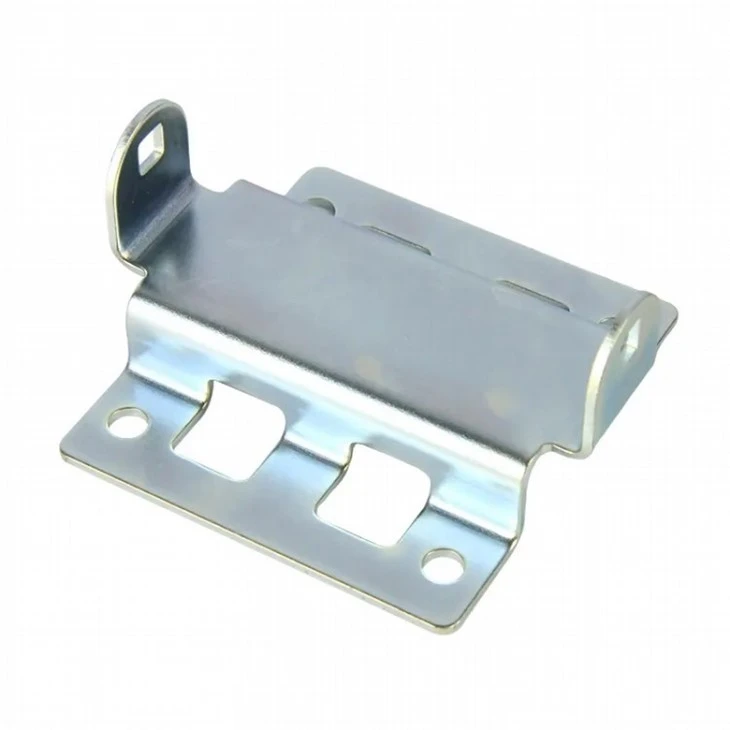
Sheet Metal Parts Laser Cutting Welding Parts
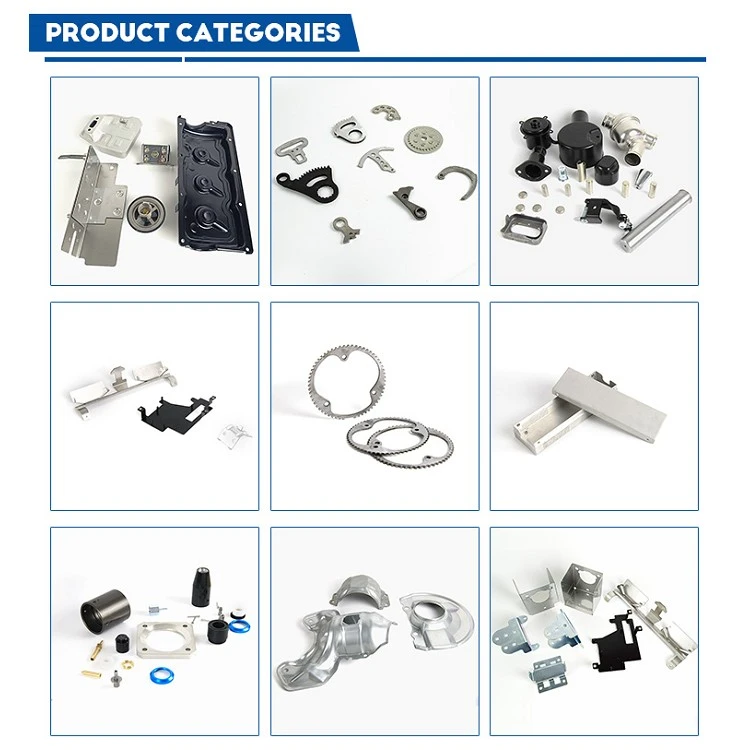
Products Name: Sheet Metal Parts Laser Cutting Welding Parts
Material: Stainless Steel, steel, Aluminum, Carbon steel, Mild steel
Surface Treatment: Brushing, Polishing, Anodizing, Powder Coating, Plating, Sandblast
Certificate: ISO, RoHS
Color: Sliver or Customized
Tolerance: 0.01-0.05mm
OEM/ODM: Accept
Drawing format: 3D/CAD/Dwg/IGS/STP
Size: Customized
Lead Time: 10-20 working days
Payment: TT 100% or 30% deposit, the balance before shipment
Product Details
Product Description
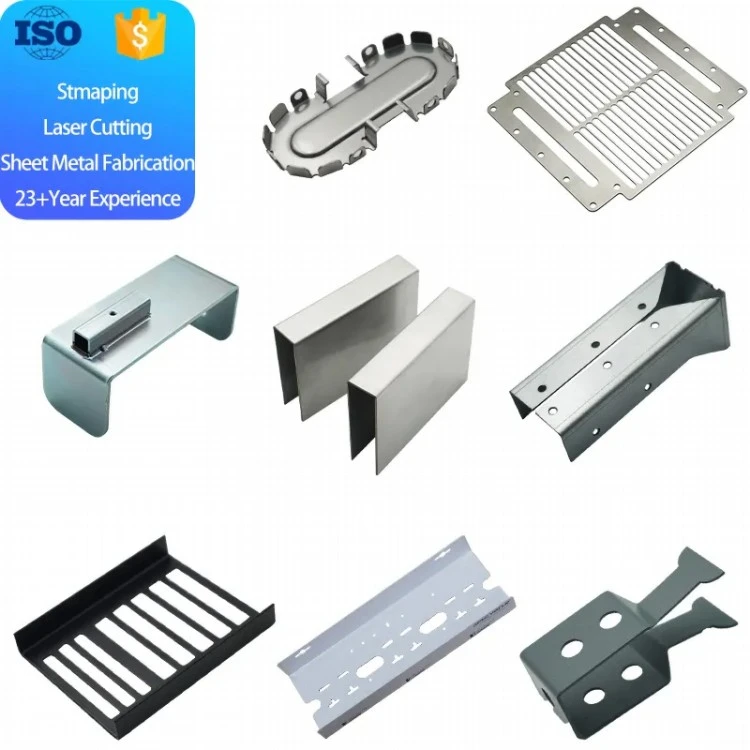
Sheet Metal Parts Laser Cutting Welding Parts are components created through a precise manufacturing process that combines laser cutting with welding. Laser cutting employs a focused laser beam to cut sheet metal with exceptional accuracy and minimal material waste, achieving tolerances as tight as ±0.1 mm and surface finishes with roughness as low as Ra 0.1 µm. Following the cutting process, welding is used to join these components.
Product Manufacturing Process
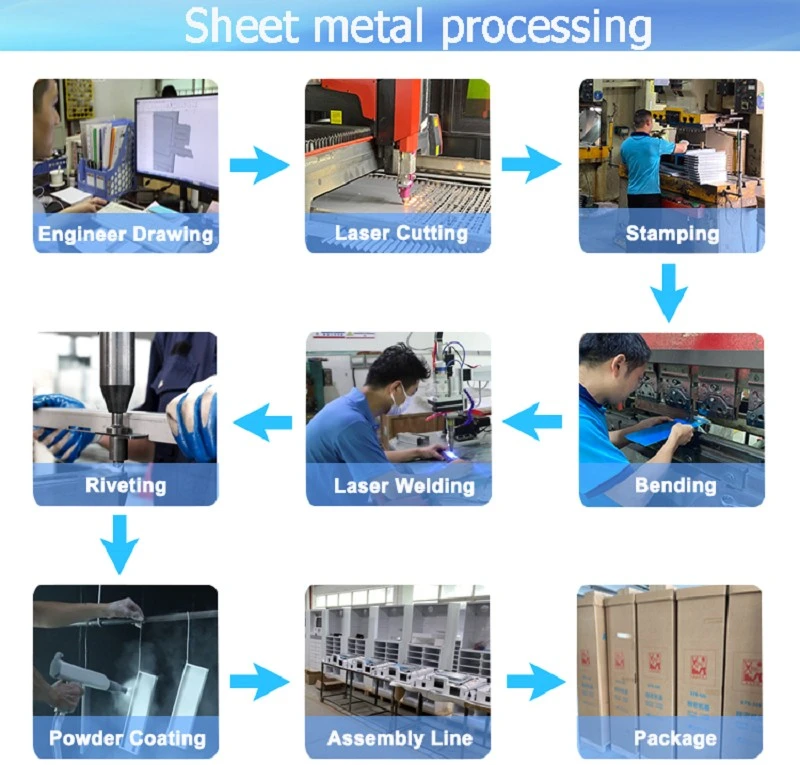
- Design: The process begins with the design phase, where the design team uses computer-aided design (CAD) tools to create detailed drawings of the sheet metal part. CAD software enables precise detailing and simulation of parts, making sure that all specifications are fulfilled prior to the start of production.
- Material Selection: Material selection is a critical step where the appropriate type of sheet metal is chosen based on the requirements of the part. Common materials include aluminum, steel, and copper.
- Laser Cutting: In the laser cutting phase, a high-powered laser beam is directed at the sheet metal to cut it into the desired shape. This method offers high precision with tolerances as tight as ±0.1 mm.
- Forming: Following laser cutting, the sheet metal is formed into the required shape using tools such as press brakes. This step involves bending and shaping the metal to match the design specifications.
- Welding: Welding involves applying heat and pressure to fuse two or more pieces together, creating a strong and durable joint. Techniques such as MIG (Metal Inert Gas) and TIG (Tungsten Inert Gas) welding are commonly used, depending on the material and application.
- Finishing: The final step involves finishing touches such as polishing, painting, or coating.
Product Features
- Precision and Accuracy: The laser cutting process allows for exceptional precision, with tolerances as tight as ±0.1 mm. The ability to achieve surface finishes with a roughness as low as Ra 0.1 µm further enhances the quality of the components, making them suitable for applications that demand high performance and reliability.
- Strength and Durability: After the precise cutting of the components, welding techniques such as MIG (Metal Inert Gas) and TIG (Tungsten Inert Gas) are employed to create strong, continuous joints, ensuring that the assembled parts can endure considerable stresses and loads.
- Design Versatility: Laser cutting technology offers remarkable design flexibility, allowing for the creation of intricate shapes and patterns. The ability to customize components efficiently ensures that manufacturers can meet diverse customer needs without sacrificing quality or increasing production time.
- Minimizes Material Waste: One of the standout benefits of laser cutting is its ability to deliver clean edges with minimal kerf (material removed during cutting). This reduces the need for additional finishing processes, thereby decreasing overall material waste.
FAQs
1. How does the laser-cutting process enhance the strength of Sheet Metal Parts Laser Cutting Welding Parts?
The clean edges and accurate cuts from laser cutting reduce the likelihood of welding defects such as gaps and inconsistencies. This results in stronger and more reliable welded joints, as the welds can be uniformly applied without additional material removal or adjustments. The improved weld quality contributes to the overall strength and durability of the final parts.
2. What are the typical dimensions and thicknesses available for Sheet Metal Parts Laser Cutting Welding Parts?
Sheet Metal Parts Laser Cutting Welding Parts are available in a range of dimensions and thicknesses to accommodate various applications. Common thicknesses for sheet metal used in laser cutting range from 0.5 mm to 25 mm, depending on the material and application requirements.
3. What types of surface treatments are applied to Sheet Metal Parts Laser Cutting Welding Parts to prevent corrosion?
To prevent corrosion, Sheet Metal Parts Laser Cutting Welding Parts often undergo various surface treatments, including galvanizing, powder coating, and anodizing.
4. How can the quality of Sheet Metal Parts Laser Cutting Welding Parts be assessed before installation?
Visual inspection checks for surface defects, such as burrs, cracks, or weld inconsistencies. Dimensional measurement ensures that parts meet the specified tolerances, using tools such as calipers and coordinate measuring machines (CMM). Non-destructive testing methods, such as ultrasonic or X-ray inspection, can reveal internal defects in welds.
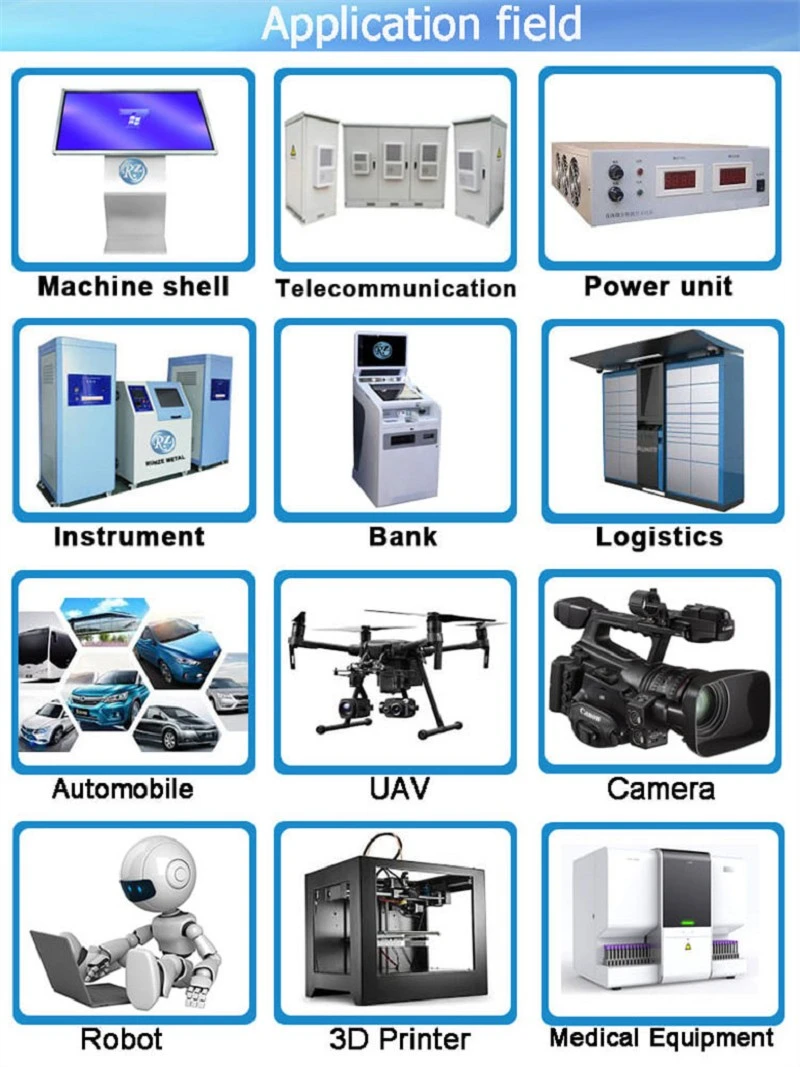
5. What are the common applications of Sheet Metal Parts Laser Cutting Welding Parts in the furniture industry?
In the furniture industry, Sheet Metal Parts Laser Cutting Welding Parts are employed in the fabrication of metal frames for chairs, tables, and shelving units, where precise cuts and strong welds ensure durability and stability.
6. What maintenance is recommended to extend the life of Sheet Metal Parts Laser Cutting Welding Parts?
Routine maintenance includes regular inspection for signs of wear, corrosion, and damage. These symptoms should be addressed promptly to prevent further deterioration. It is also important to clean metal parts to remove dirt, debris, and corrosive substances. Surface preparation such as recoating or patching may be necessary to maintain the protective coating.
7. Can your Sheet Metal Parts Laser Cutting Welding Parts be custom fabricated to your specific design requirements?
Yes. The precision of laser cutting enables complex, detailed designs with tight tolerances, enabling parts to be manufactured to exact specifications. Customization options include changing shape, size, and features to meet your application needs.
8. What are the challenges involved in the installation of Sheet Metal Parts Laser Cutting Welding Parts?
The high accuracy of Sheet Metal Parts Laser Cutting Welding Parts means that even small deviations during installation can affect the overall fit and function. What's more, making sure that welded joints are adequately supported and incorporated into the structure often necessitates specialized expertise and tools.
Hot Tags: sheet metal parts laser cutting welding parts, China sheet metal parts laser cutting welding parts manufacturers, suppliers, factory, OEM Metal Stamping, Sheet Metal Parts Laser Cutting Welding Parts, OEM Metal Products, Manufacturing Metal Products, Stamping Sheet Metal Parts


Send Inquiry
