


Stamping Sheet Metal Parts
In simple terms, a solar carport is a canopy with photovoltaic panels that is installed above a parking area. Solar carports accomplish a dual function, providing a roof for your vehicles while generating electricity for your home. If you own an electric vehicle, a solar carport can also be combined with an EV charging station.
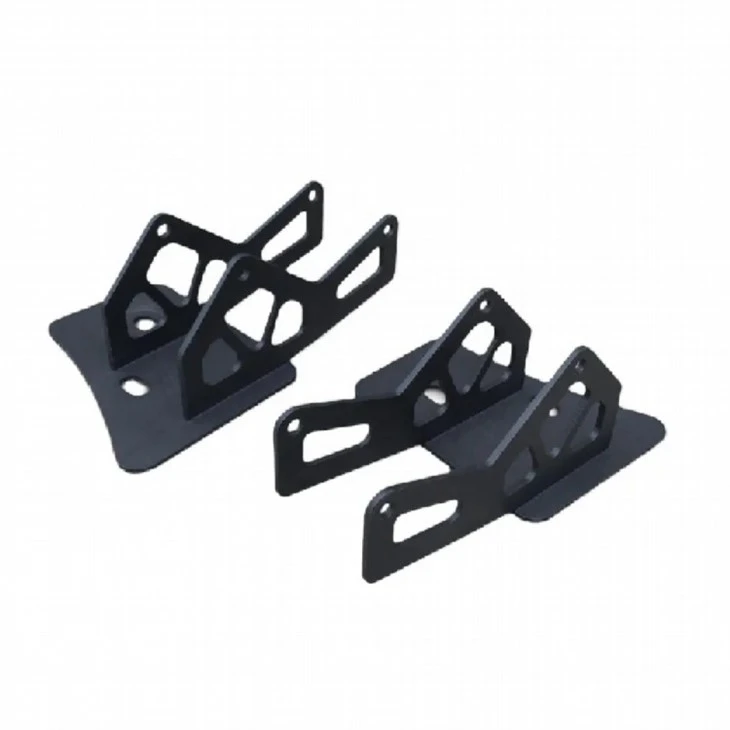
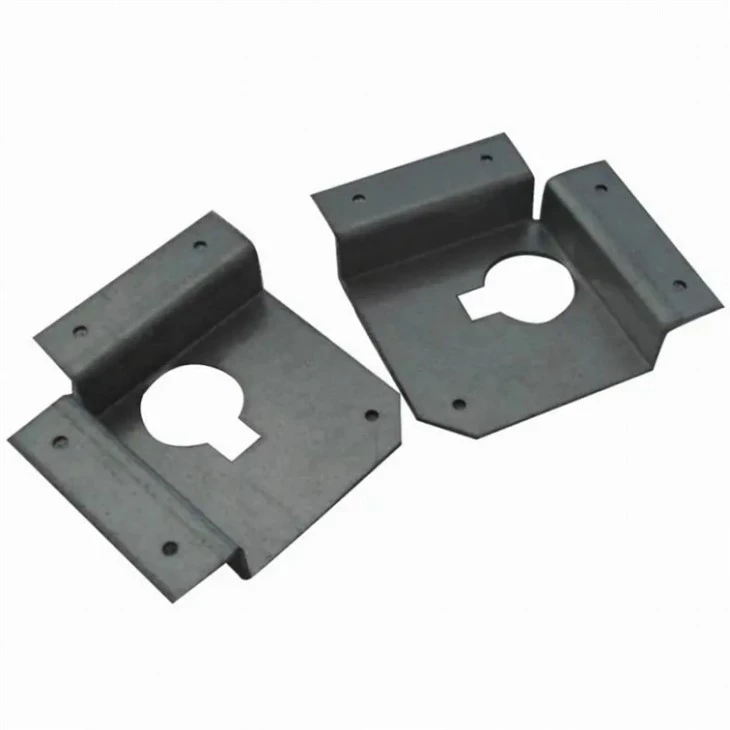
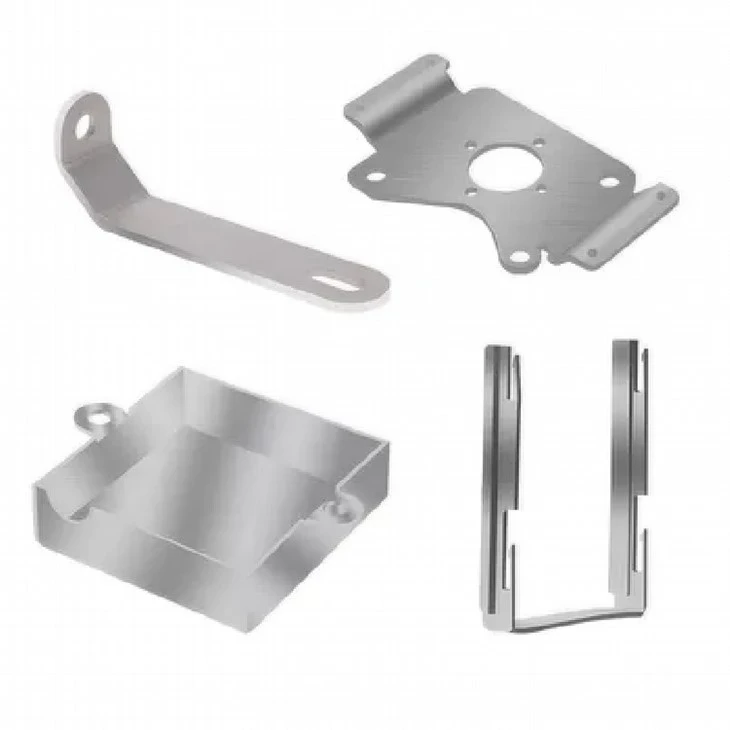
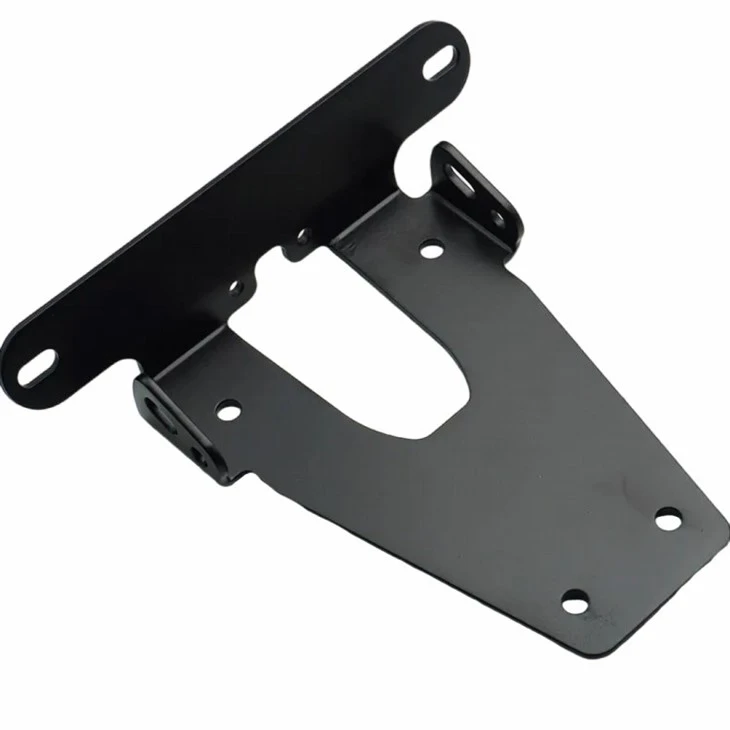
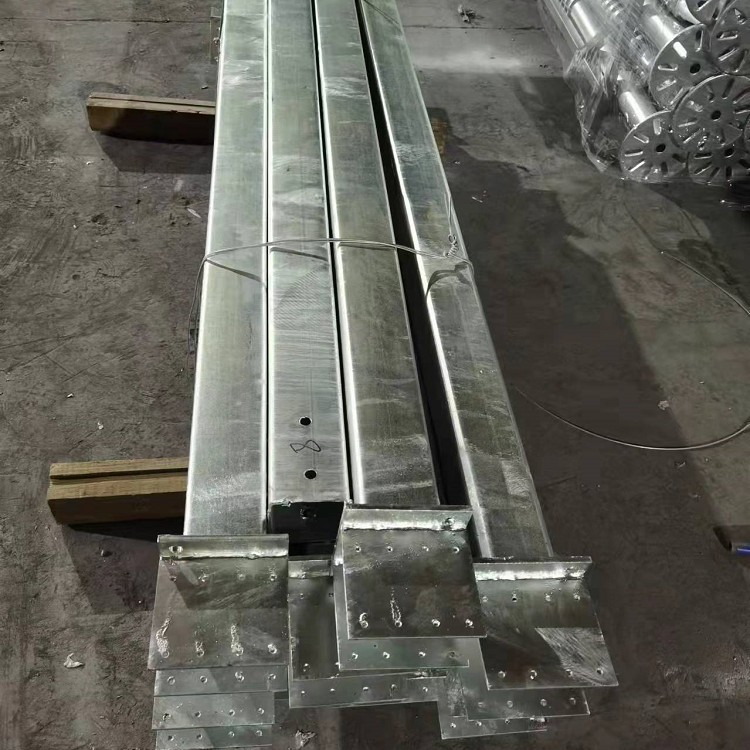
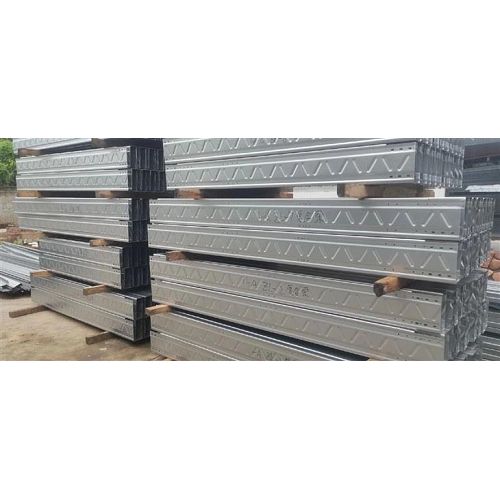
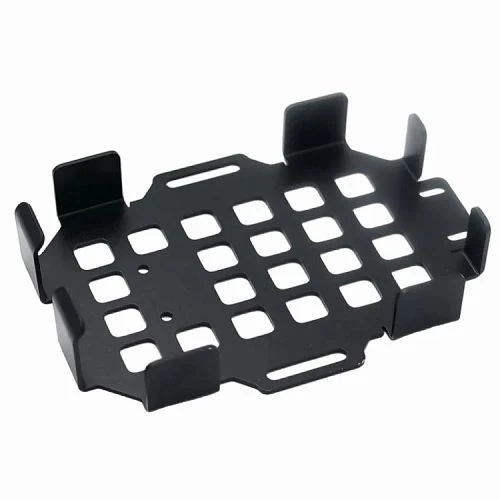
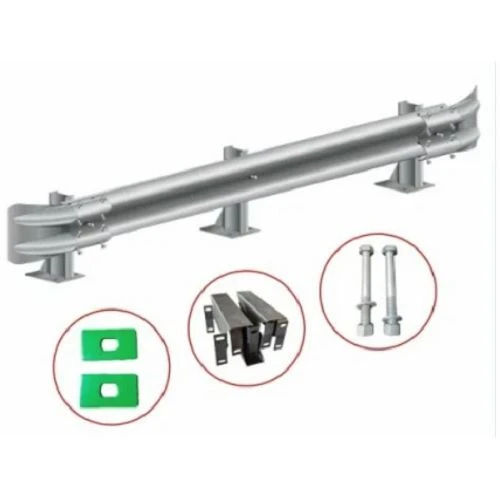
What are Stamping Sheet Metal Parts
In simple terms, a solar carport is a canopy with photovoltaic panels that is installed above a parking area. Solar carports accomplish a dual function, providing a roof for your vehicles while generating electricity for your home. If you own an electric vehicle, a solar carport can also be combined with an EV charging station.
Solar carports work just like ground-mounted PV systems, since the racking structure is anchored directly to the ground in both cases. However, solar carports use a taller structure than ground mounting systems, since they must provide enough space to park vehicles.
How to Stamp Sheet Metal Parts
The process of sheet metal stamping takes pieces of coiled or blank sheet metal and creates three-dimensional part shapes from them. In this process, the blank or coiled sheet is placed into a stamping press, in which the die (or stamping tool) in the shape of the part desired is pressed into and through the material to form the part.
The process of custom sheet metal stamping consists of several different operations. These include punching, blanking, drawing, bending, embossing, among others. CAD/CAM tools are used to deliver precise, complex parts. Sheet metal stamping is an efficient, fast method of creating high quality, durable components for various industries, such as aerospace, lighting, electronics, metal, hardware, and others.
When the hydraulic or mechanical press is activated in a sheet metal stamping operation, the flat sheet metal positioned between the die forms into the desired shape. This provides a solution which enables the production of large quantities of metal components at an affordable price and at a high level of precision.
Stamping dies are custom-made and used along with a stamping press to form cut sheet metal into specific desired shapes. Often, a stamping tool is manufactured for a specific application or project. They are generally made from tool steel which has a level of hardness necessary to cut other types of metal while retaining the necessary tolerances required by the stamped part.


How Stamping Sheet Metal Parts are Applied
Metal stamping finds widespread applications across various industries due to its versatility and ability to produce high-quality, precisely shaped, and unique components.
Automotive Industry
It plays a vital role in the automotive manufacturing industry - producing components such as body panels, brackets, chassis parts, engine mounts, brackets, and suspension components. The process ensures the production of lightweight, durable, and structurally sound parts that meet stringent safety and performance requirements.
Aerospace Sector
Metal stamping also reached the heavens through the aerospace sector. Key components like aircraft structural parts, engine parts, brackets, and fittings can be fabricated with the process which ensures the production of lightweight parts with complex geometries while maintaining strength and durability, contributing to enhanced fuel efficiency and performance.
Electronics Industry
In the electronics industry, electronic devices (connectors, terminals, heat sinks, shielding components, and brackets) are widely used. Metal stamping made it possible for the precise fabrication of intricate parts required for electronic assemblies while ensuring proper electrical conductivity and durability.
Household Appliances
The process is also employed extensively in the manufacturing of household appliances like refrigerators, washing machines, ovens, and HVAC systems. It produces components such as panels, enclosures, brackets, and handles, providing both aesthetic appeal and structural integrity.
Healthcare Industry
In the medical field, devices such as surgical instruments, orthopedic implants, brackets, and connectors also have components that have undergone the metal stamping process ensuring the production of precise, sterile, and biocompatible parts critical for medical applications.
Construction Industry
Metal stamping products are present in structural and decorative components like brackets, connectors, fasteners, hinges, and cladding panels . Overall, the process allows the creation of durable, corrosion-resistant parts that meet the demanding requirements of the industry.
Choosing Material for Stamping Sheet Metal Parts
Stainless steel remains a popular material due to its excellent corrosion resistance properties. It is also due to its durability, sustainability, and superior performance in virtually all applications.
You can stamp sheet metal parts from the many stainless steel grades available. For example, the grade 300 series are common for most domestic and industrial applications.
Austenitic stainless steel remains popular for most sheet metal stamping processes. Other stainless steel materials suitable for the stamping process include:
● Martensitic SS such as the 410, 416, 420 and 502
● Ferritic SS for stamping parts are 405, 430F and 446
● Precipitation hardening SS grades are 15-5 PH and 17-7 PH
● Stainless steel stamped parts are suitable for marine, medical, food, and energy industries.
For carbon steel metal stamping you can choose any of these variations:
Low carbon steel or mild steel – The carbon content varies from 0.03% to 0.08%. These steel alloys are easy to machine and weld.
High strength low alloy steel – These alloys have 0.6% to 1.4% carbon. They are the strongest though very ductile.
Carbon steel offers the unlimited possibility of sheet metal stamping. You can make sheet metal housing, panels, bridge sections, etc.
Generally, stamped carbon steel parts are known for their strength-to-weight ratio. Additionally, it offers a cost-effective alternative in the metal stamping industry.
However, carbon steel is not corrosion-resistant like stainless steel. On the other hand, it has high thermal conductivity and better heat distribution.
Aluminum is popular for its lightweight, corrosion resistance, excellent mechanical properties, and lustrous appearance.
At the moment, stamped aluminum parts are common in the aerospace, construction, automotive, electronics, marine, and medical industries, just to mention a few.
Additionally, aluminum stamping operations you can adopt include blanking, coining, bending, piercing, etc.
Depending on the aluminum stamped parts, various alloys have varying performance characteristics. As a result, the application may also vary.
Take for example:
● 1100 series for chemical equipment
● 2024 and 7075 for aircraft parts
● 3003 for cooking utensils or furniture
● 5052 for metal ductwork system
● 6061 is suitable for architectural structures and aerospace components
● 6063 for making pipes and other extruded parts
● Due to their lightweight and strength, aluminum stamping parts play an integral role in today's industries.
Stamped titanium parts are lightweight, corrosion-resistant, easy to sterilize, and durable with excellent strength. For this reason, stamped titanium parts are common in:
● Medical industries
● Aerospace industry
● Petroleum industry
● Military industry
Although titanium stamped parts are slightly heavier than aluminum stamped parts, they have a good strength-to-weight ratio.
You can easily stamp titanium grade 9. Of course, this is not the case when it comes to titanium grade 5. Other available titanium grades include grades 1, 2, 3, 4, 5, 7, 11, 12, and 23.
Stamped brass parts find applications in marine, medical, telecommunication, and power generation industries, just to mention a few.
It is due to brass corrosion resistance, and better surface finish. Shaping brass is easy and it conducts electricity.
Moreover, brass stamped parts are resistant to tarnishing and exhibit medium strength.
You can easily stamp copper either in its pure form or after alloying. Some common alloys include brass and bronze. Generally, copper is corrosion resistant, ductile, easy to clean, has decorative appeal, and possesses antimicrobial properties.
Metal Stamping: Stamping Sheet Metal Parts Design Guidelines
During the metal stamping design process, it's important to consider the following guidelines:




Holes
When using metal stamping to create holes, the hole diameter should always be equal to or more than 1.2 times the thickness of the material. If the metal has high tensile strength, such as stainless steel alloys, the minimum diameter of the hole should be at least two times wider than the material's thickness.
Edge to Holes
There should be a distance of two stock thicknesses between hole and edge. If the holes are oblong and less than 10 material thicknesses in length, edge-to-hole spacing should be two times the material thickness. However, if the oblong holes are greater than 10 material thicknesses, the edge-to-hole spacing should be four times the material thickness or more to prevent bulging.
Hole to Form
Hole deformation can occur when forming a bend too close to a hole. To prevent this, the spacing should be the bend radius plus 2.5 times the material's thickness. If the hole's diameter or width is less than 2.5mm, the distance between the hole and the bend must be a minimum of twice the material's thickness plus the bend radius. If the hole is more than 2.5mm in width or diameter, the distance should be the bend radius plus 2.5 times the thickness of the material.
Slot to Form
When bending near long slots, the spacing must be the bend radius plus a minimum of four times the material's thickness to prevent deformation.
Notches & Tabs
When stamping notches and tabs, the formations should not be less than 1.5 times the thickness of the material. If made smaller, they may experience breakage due to the amount of force exerted on punches.
Corners
When forming corners, it's important to be as generous as possible to facilitate manufacturing. The radius of the punch and die should be at least four times the thickness of the material. Corners can be very sharp if you're working with a material that is 1.5mm or less in thickness.
Squareness
Stamping to form a square, 90° angle allows for normal variation of plus or minus 1 degree.
Flatness
Flatness should not be over-specified. A component requiring a flatness of fewer than .003 inches may require costly secondary operations.
L-Shaped Parts
When stamping L-shaped parts, a bend relief notch should be included to avoid fractures and cracks.
Grain Direction
When stamping hard stocks, consider grain direction. To prevent cracking and fractures, the bend line of sharp V-bends should not be parallel to the grain direction. On harder materials, a larger bend radius may also be required to avoid cracking.
Burrs
Burrs can be a common occurrence in stamping. When they occur on the outside of a bend, they can create fractures. Burrs can reach heights up to 10% of the material thickness, and they can be removed using various processes. To minimize burr severity, you should avoid complex cutouts and sharp corners when possible. If these can't be avoided, it's important to note the burr direction in the design so they can be taken into account during the metal stamping process.
Shapes
A round shape is the simplest to draw, followed by a square shape with sufficient corner radii. If a shape combines two basic shapes or is irregular, it may increase stamping difficulty and the cost of production.
Feature Distortion
Distortion can occur during stamping when holes and slots are too close to a form, edge, or each other. This is especially true in drawn parts, which tend to experience much more deformation compared to formed parts.
FAQ
Hot Tags: stamping sheet metal parts, China stamping sheet metal parts manufacturers, suppliers, factory, Manufacturing Metal Products, OEM Metal Stamping, Sheet Metal Parts Laser Cutting Welding Parts, OEM Metal Products, Stamping Sheet Metal Parts


Send Inquiry
