


Ground Screw Foundation for House
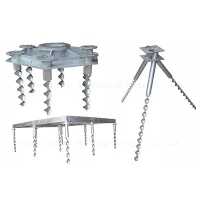
Items: ground screw foundation for house
Material: Q235 steel
Length: 500mm-2000mm or customized
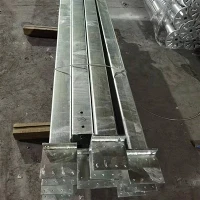
Surface: Hot dip galvanized
Packing :①For small parts: Plastic bag, box, wooden pallet, crate
Packing :②For Big Parts: Steel pallet, wooden pallet, crate
Lead Time: 3-10 working days
Payment: TT 100% or 30% deposit, the balance before shipment
OEM is accepted, your tag or label or logo
Sample: It is available and it will be sent by TNT/DHL/FEDEX, but the freight would be paid by buyer.
To contact with us for the newest price list.
Product Details
what is a Ground Screw Foundation for House
Ground screw foundations offer a stable support solution for residential buildings by driving long, spiral-shaped metal piles into the ground. Made from high-strength steel, their diameter and length are customized based on soil conditions and building loads. These piles effectively transfer loads across various geologies, including soft soil, sand, and rock. Installation involves specialized machinery to insert piles to the required depth, securing the building structure with connectors. Favored for rapid installation, minimal environmental impact, and adaptability to different terrains.
Benefits:
The helix ground screw foundation is an ideal solution for ground mounted renewable energy technology as it provides the following benefits:
- Suitable for all terrain including sloping hills and soil types
- Significant cost savings through time taken to construct
- No digging, no excavation, no waste, no concrete or wet trades
- Complete construction and foundation solution
- Fast and accurate insertion of ground screw
- Statistically tested and certified by independent testing institutions for load, pull and wind load according to stringent guidelines
- Easy to install – easy to plan
- Sustainable ground engineering – no sealing or covering of surface or negative impact on landscape
- Durable and long lasting
- Easily removable and reusable.
Installation Guide for Ground Screw Foundation for House
Before Installation Preparation
Prior to commencing the installation of a ground screw foundation, it is essential to conduct comprehensive geological surveys and design planning. This involves identifying soil types, bearing capacity, and groundwater levels among other critical data. Based on this information, engineers will devise suitable diameters, lengths, and spacing for the screw piles. Additionally, ensure all necessary construction equipment and materials are on-site, and provide safety and technical training to the construction crew.
Installation Process Overview
The installation of a ground screw foundation typically comprises several steps: positioning and marking, drilling, placing the screw piles, securing connections, and final inspection. Each step must be executed with precision to ensure the stability and safety of the entire system.
Positioning and Marking
According to the architectural plans, precisely measure and mark the location of each screw pile. This step is crucial for facilitating the smooth progress of subsequent work.
Drilling
Utilize specialized drilling equipment to bore holes at the marked locations. The depth and diameter of the holes should adhere strictly to the design specifications to ensure that the screw piles reach the intended load-bearing stratum.
Placing Screw Piles
Carefully insert the pre-fabricated screw piles into the drilled holes. During placement, ensure that the screw piles are vertical and correctly positioned. If necessary, use guiding devices to assist in positioning.
Securing Connections
Once the screw piles are properly placed, connect them to the superstructure using high-strength bolts or welding methods. Pay close attention during this step to guarantee the durability and reliability of the connections.
Final Inspection
After installing all screw piles, conduct a thorough inspection to verify that each one is correctly installed without any looseness. Additionally, perform load testing on the entire foundation system to confirm its performance meets the design standards.
Precautions for use of Ground Screw Foundation for House
Preparation Before Use
Before utilizing the ground screw foundation, it is essential to have completed comprehensive geological exploration and design planning. This involves understanding key factors such as soil type, bearing capacity, and groundwater levels. Based on this data, engineers will design appropriate diameters, lengths, and spacings for the screw piles. Additionally, ensure that all necessary construction equipment and materials are ready, and provide safety and technical training for the construction personnel.
Cautions During Construction
During the construction process, operations should strictly follow design drawings and construction specifications. Especially when drilling, control the depth and diameter of the holes to ensure the screw piles reach the intended load-bearing layer. When placing the screw piles, maintain their verticality and correct positioning. Moreover, securing connections is crucial; use high-strength bolts or welding methods to ensure durability and reliability of the connections.
Load Testing and Acceptance
After installing all screw piles, conduct a thorough inspection and load testing. This verifies if the entire foundation system meets the performance standards set by design. Address any issues promptly with adjustments or repairs.
Long-term Maintenance and Monitoring
Despite the high stability and durability of the ground screw foundation, regular maintenance and checks are still required. Inspect the screw piles for signs of corrosion or damage; check connection pieces for sturdiness; and monitor the settlement of the entire foundation system to ensure its long-term stability.
Measures for Special Conditions
In certain special circumstances, such as earthquakes or floods, the ground screw foundation may be affected. Therefore, develop corresponding emergency plans and measures to minimize the impact of these disasters on the foundation system.


Product Parameter
|
Product name |
Ground screw foundation for house |
|
Installation Site |
Open Field/Ground |
|
Material |
Q235 |
|
Surface |
Hot Dip Galvanization |
|
Pipe diameter |
76mm/89mm |
|
Round flange diameter |
180mm/200mm/220mm |
|
Tickness |
2.75mm/3mm/3.5mm |
|
Length |
500mm-2000mm/customized |
|
Temperature Range |
-50℃to 60℃ |
|
Series |
Flange top, Tube top |
|
Warranty |
10 years |
|
Service life |
20 years |
FAQ
1. What is a ground foundation screw?
A ground foundation screw is a type of foundation system that uses screws to anchor structures to the ground.
2. What are the advantages of ground foundation screws over traditional foundation systems?
Ground foundation screws are faster, easier, and less expensive to install than traditional foundation systems. They also provide better stability and are less likely to shift over time.
3. How deep should ground foundation screws be installed?
The depth of installation for ground foundation screws depends on the size and weight of the structure being anchored. Generally, they should be installed to a depth of at least 3-4 feet.
4. What kind of soil conditions are suitable for ground foundation screws?
Ground foundation screws are suitable for most types of soil, including sandy, clay, and rocky soil. They are particularly effective in areas with unstable soil or high water tables.
5. Can ground foundation screws be used for both residential and commercial construction?
Yes, ground foundation screws can be used for both residential and commercial construction projects.
6. How does the load-bearing capacity of ground screw piles compare to traditional foundations?
They can bear a significant weight, often matching or even surpassing the load-bearing capabilities of concrete. This robust capacity is due to their unique design and installation method, which provides excellent stability.
7. Are there environmental benefits to using ground screw piles?
Screw piles have a significantly lower carbon footprint compared to concrete foundations. Their manufacture involves less energy-intensive processes. Screw piles require less excavation and transportation, they result in lower emissions associated with construction activities.
8. How do ground screw piles perform in seismic areas?
The helical design of the screw piles allows them to absorb and distribute seismic forces more effectively, minimising the impact on the structure above. Reduced Ground Displacement: The helical shape of screw piles minimises the vertical and horizontal displacement of the ground during an earthquake.
9. Are there any building codes or regulations specific to ground screw foundations?
When American Ground Screws are installed under the IRC, an engineered design is required in accordance with IRC R301. 1.3. Like any building products, your local code official will determine if American Ground Screws are an acceptable foundation system for your specific project when you submit your permit application.
10. Can ground screw piles be removed or reused if needed in the future?
Removability and Reusability: Unlike concrete, a ground screw can be easily removed and reused, making them a more flexible option for temporary or relocatable structures.
Hot Tags: ground screw foundation for house, China ground screw foundation for house manufacturers, suppliers, factory, Ground Foundation Screws, Ground Screw Anchor Footings, Ground Screw Foundation for House, Steel Screw Piles Price, Helix Ground Screws, Ground Screw Piles



Send Inquiry
