How to Prevent Rust on Metal Brackets?
Dec 24, 2024
Here are some effective ways to prevent rust on metal brackets
Surface Preparationa
 Cleaning
- Thoroughly clean the metal brackets to remove dirt, grease, oil, and other contaminants. Use a suitable cleaner such as a mild detergent solution and a scrub brush or rag.
- For stubborn grease, you can use a degreaser. After cleaning, rinse the brackets thoroughly with water and dry them completely. This step is crucial as any residue left on the surface can trap moisture and accelerate rusting
Removing Existing Rust
- If there is already some rust on the brackets, it needs to be removed before applying any preventive measures. You can use sandpaper, a wire brush, or a rust-removing chemical product.
- For light rust, fine-grit sandpaper can gently abrade the surface to remove the rust layer. For more extensive rust, a wire brush or a power tool with a wire brush attachment can be more effective.
- Rust-removing chemicals should be used according to the manufacturer's instructions, and after using them, the brackets should be rinsed and dried.
Protective Coatings
Paint
Applying a coat of paint is a common and relatively inexpensive way to protect metal brackets from rust. Choose a paint that is specifically designed for metal surfaces.
Before painting, make sure the surface is clean and dry. You may need to apply a primer first to improve adhesion and provide additional protection.
Apply the paint evenly in thin coats, allowing each coat to dry completely before applying the next. Multiple coats can provide better protection.
Powder Coating
- Powder coating is a more durable option compared to traditional paint. It involves applying a dry powder to the metal surface, which is then cured under heat to form a hard, protective layer.
- Powder coating provides excellent resistance to rust, chemicals, and abrasion. It is available in a wide range of colors and finishes. The process usually requires professional equipment, so it is often done by specialized coating services.
- Galvanizing
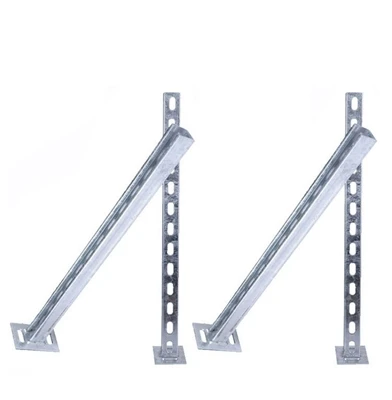
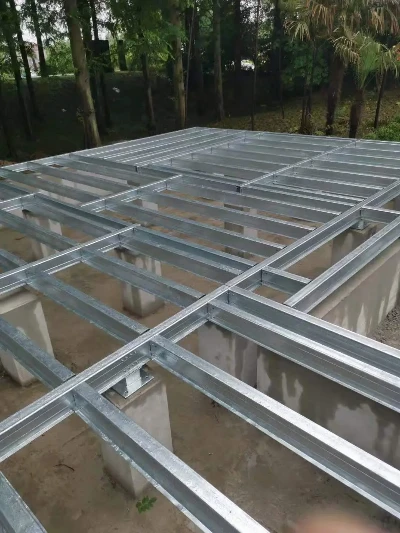
- Galvanizing is a process where the metal brackets are coated with a layer of zinc. This can be done through hot-dip galvanizing, where the brackets are immersed in a bath of molten zinc, or electrogalvanizing, which uses an electroplating process.
- The zinc layer acts as a sacrificial anode, meaning that it corrodes in place of the underlying metal, providing long-term protection against rust. Galvanized metal brackets are commonly used in outdoor and corrosive environments.
 Chrome Plating
- Chrome plating involves depositing a thin layer of chromium onto the metal surface. It not only provides good rust resistance but also gives the brackets a shiny, decorative finish.
- However, the chrome plating process can be more complex and expensive compared to other coatings. It is often used for applications where both aesthetics and corrosion resistance are important, such as in some automotive and household fixtures.
Environmental Control
Reduce Exposure to Moisture
- Keeping the metal brackets in a dry environment is key to preventing rust. If possible, store them indoors in a climate-controlled area.
- If the brackets are used outdoors, consider using a waterproof cover or enclosure to protect them from rain, snow, and dew.
- In areas with high humidity, using a dehumidifier can help reduce the moisture level in the air and slow down the rusting process.
Avoid Contact with Corrosive Substances
- Keep the metal brackets away from substances that can accelerate rusting, such as acids, alkalis, and salts.
- If the brackets are used in an industrial or chemical environment, take extra precautions to prevent contact with corrosive chemicals. You may need to use additional protective measures such as chemical-resistant coatings or barriers.
Sacrificial Protection
Use of Sacrificial Anodes
- This method involves attaching a more reactive metal (the sacrificial anode) to the metal brackets. The sacrificial anode will corrode preferentially, protecting the brackets from rust.
- Common sacrificial anodes include zinc, magnesium, and aluminum. For example, attaching a zinc block to a metal bracket system in a marine environment can effectively prevent the brackets from rusting.
- The sacrificial anode needs to be replaced periodically as it corrodes away.